Why China Dominates Peptide Manufacturing
Peptide synthesis is a capital-intensive, chemistry-heavy process that requires sophisticated SPPS (solid-phase peptide synthesis) equipment, purification chromatography columns, lyophilization infrastructure, and analytical testing labs. China — particularly the clusters around Wuhan, Shanghai, and Chengdu — has spent the last two decades building exactly this infrastructure at scale.
Companies like Hybio Pharmaceutical, Bachem's Chinese contract partners, and dozens of mid-tier CROs (contract research organizations) have commoditized peptide synthesis to a degree that Western manufacturers simply cannot match on price. A peptide that costs $800 to synthesize in the United States or Switzerland costs $40–$80 at a Chinese CMO (contract manufacturing organization) at comparable purity grades.
This is why, when you buy BPC-157, TB-500, Semaglutide, or Retatrutide from a U.S.-based supplier, the compound almost certainly originated in a Chinese facility. The U.S. company typically handles reconstitution, quality testing, repackaging, and customer service — but the bulk API (active pharmaceutical ingredient) came from China. Knowing this doesn't mean Chinese-sourced peptides are bad. It means the quality chain runs through China whether you acknowledge it or not, and understanding that chain is how you buy intelligently.
How to Evaluate Chinese Vendors
Not all Chinese peptide suppliers are equal. The spectrum runs from GMP-adjacent manufacturers with legitimate analytical labs to basement operations synthesizing adulterated product. Separating them requires asking the right questions and knowing what the answers should look like.
- Certificate of Analysis (COA). Every legitimate supplier provides a COA for each batch. The COA should include: compound identity confirmed by mass spectrometry (MS), purity percentage confirmed by HPLC (reverse-phase, ideally ≥98% for research grade), moisture content, and residual solvent levels. A COA that only lists “99% pure” without specifying the analytical method is meaningless — it's a number someone typed into a Word document.
- Third-party testing. The gold standard is a COA from an independent accredited lab — not the vendor's own in-house lab. Look for testing from recognized labs. Some Western resellers commission independent U.S. or EU lab testing and publish the results. This is your strongest quality signal.
- HPLC chromatogram provided on request. A legitimate analytical result includes the actual chromatogram trace, not just a summary number. If a vendor can't provide the chromatogram when asked, their HPLC data doesn't exist.
- Business transparency. Can you find a real company registration? Do they respond to email in business English with technical competence? Do they have a physical address that resolves on maps to an actual facility? Shadows and anonymity are red flags in a supply chain.
- Community reputation. Peptide communities — forums, subreddits, Discord servers — maintain collective knowledge about vendor quality over time. A vendor with years of positive community feedback and published third-party tests is categorically different from a new vendor with no track record and aggressive pricing.
Pro Tip: If a vendor's price seems too good to be true by a factor of 2x or more compared to established suppliers, it usually means one of three things: the compound is underdosed, it's a different (cheaper) compound entirely, or it's impure. Peptide synthesis has real costs. Dramatically undercutting the market is not a competitive advantage — it's a quality warning.
Red Flags That Should Stop You Cold
These are non-negotiable signals to walk away:
- No COA available, or COA only provided after purchase. Quality documentation should be available before you buy, not as an afterthought.
- COA with no analytical method specified. “Purity: 99%” with no method, no lab name, no batch number is fiction.
- Prices 50–70% below market. As noted above: synthesis cost floors exist. You can't synthesize and purify legitimate semaglutide at $15/vial and make money.
- No tracking number provided. International shipments from legitimate vendors always have trackable shipping. No tracking means no accountability.
- Vague or evasive responses to quality questions. Ask where the product is synthesized. Ask what HPLC method was used. A legitimate operation answers these questions immediately. An operation with something to hide deflects.
- Pressure to use unprotected payment methods. Cryptocurrency-only with no buyer protection, or wire transfers to anonymous accounts, means you have zero recourse if the product never arrives or is garbage.
Shipping Times, Stealth Packaging & Import Risk
Chinese suppliers typically ship via EMS (China Post), DHL Express, or FedEx International. Transit times vary widely: EMS to the U.S. averages 10–21 days, DHL Express averages 3–7 days. The speed premium on DHL is usually worth it — faster transit means less time in temperature-uncontrolled environments, and DHL packages receive different customs scrutiny than EMS.
Many Chinese suppliers offer “stealth shipping” — packaging designed to appear innocuous. This typically means products are declared as a different item (lab supplies, cosmetic ingredients, etc.) with a low declared value. While vendors present this as protecting you, it actually shifts legal risk onto the recipient and creates the under-declaration customs flag discussed in our seizure guide. Understand what you're agreeing to when you accept stealth packaging.
Import risk for personal-use quantities of common research peptides is real but manageable. The majority of small personal-use orders clear customs without incident. The risk increases with: high-scrutiny compounds (GLP-1 agonists have gotten more attention since 2024), bulk quantities, EMS shipping through high-seizure ports, and labeling that implies human therapeutic use.
Pro Tip: Many experienced buyers maintain relationships with 2–3 domestic U.S. resellers who import in bulk and hold stock stateside. You pay a premium, but the shipment always arrives, arrives quickly, and arrives with domestic quality testing. For compounds you use reliably on an ongoing protocol, this is often the better long-term economic choice than rolling the dice on international direct-import every month.
What to Do When Your Order Arrives
Your package just arrived from China. Before you store anything, do a proper receiving inspection:
- Check the outer packaging for temperature excursion signs. Was there a cold pack included? Is it fully melted? Gel packs that have been liquid for more than a few hours may indicate prolonged heat exposure during transit. Most lyophilized peptides survive ambient transit — but reconstituted vials that shipped warm are compromised.
- Inspect every vial. Look for particulate matter (cloudiness in a solution that should be clear, or visible particles in a lyophilized powder), unusual color, broken seals, or damaged stoppers. Any of these is cause to quarantine that vial and contact the vendor.
- Verify labeling against your order. Confirm compound name and concentration match what you ordered. Errors happen. Catching them before you reconstitute and dose is important.
- Consider a home test kit. For high-stakes compounds, colorimetric test kits (and more advanced at-home HPLC services for peptides have emerged in recent years) can provide a basic identity check. Not a substitute for full COA, but a sanity check on obvious fraud.
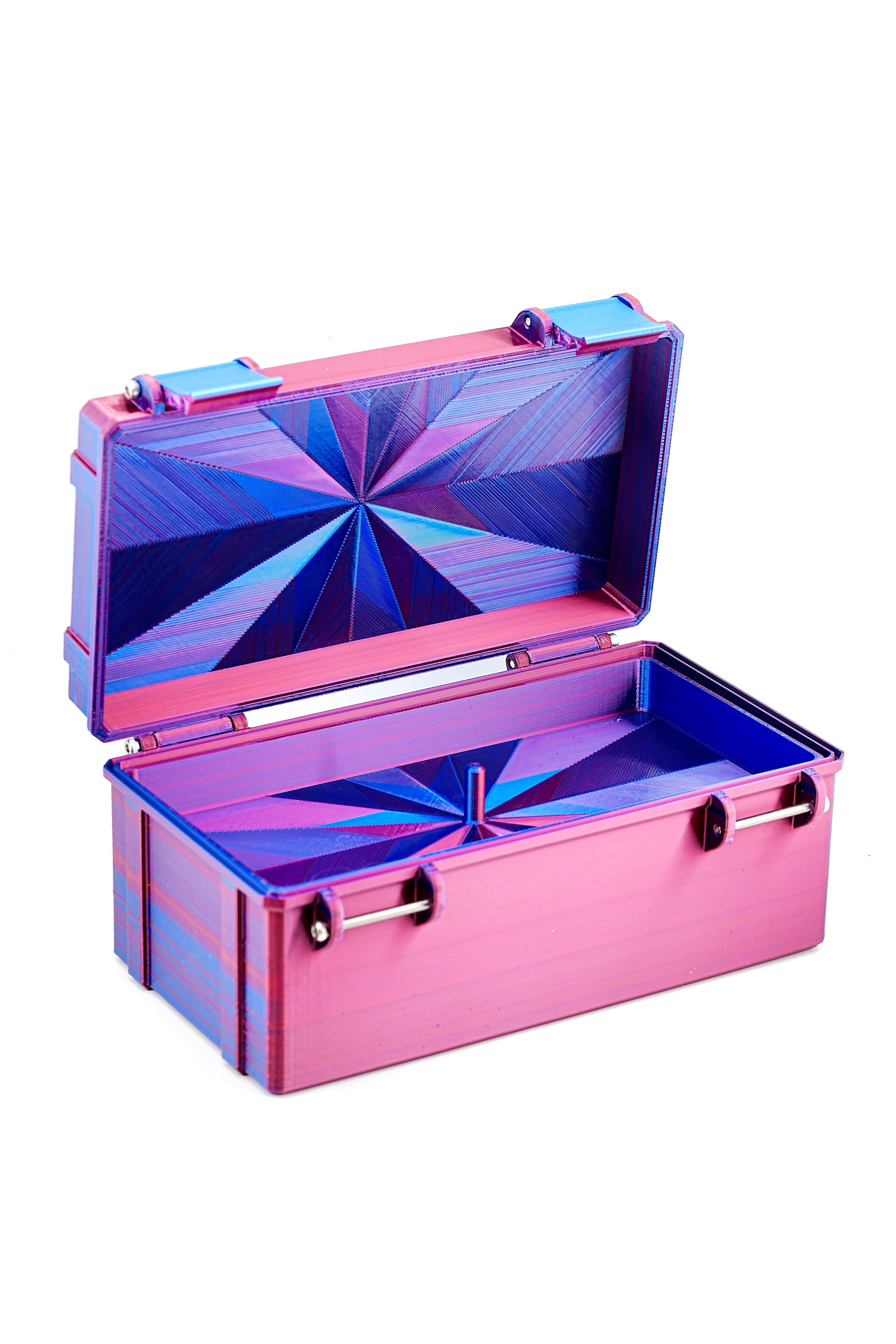
- Transfer to proper storage immediately. Lyophilized peptides belong in a refrigerator at 2–8°C, protected from light. Don't leave them sitting on a counter for hours while you figure out storage — invest in a dedicated peptide case that lives in your fridge and is ready to receive new orders immediately.
Protecting Your Investment Once It Arrives
After navigating vendor evaluation, quality verification, and customs risk, the last thing you want is to degrade your peptides through poor storage. Chinese peptides that arrived in good condition can lose significant potency within weeks if stored incorrectly — wrong temperature, light exposure, or moisture contamination during reconstitution.
Review the peptide storage temperature chart for your specific compounds. Keep lyophilized vials at 4°C and away from light. Once reconstituted, most peptides have a 4–6 week window at refrigerator temperatures. Keep your storage case organized with labeled vials so you always know what you have, when it was reconstituted, and what's next in your protocol. After everything it took to get those vials to your door, proper storage is the final step that actually determines whether the investment pays off.