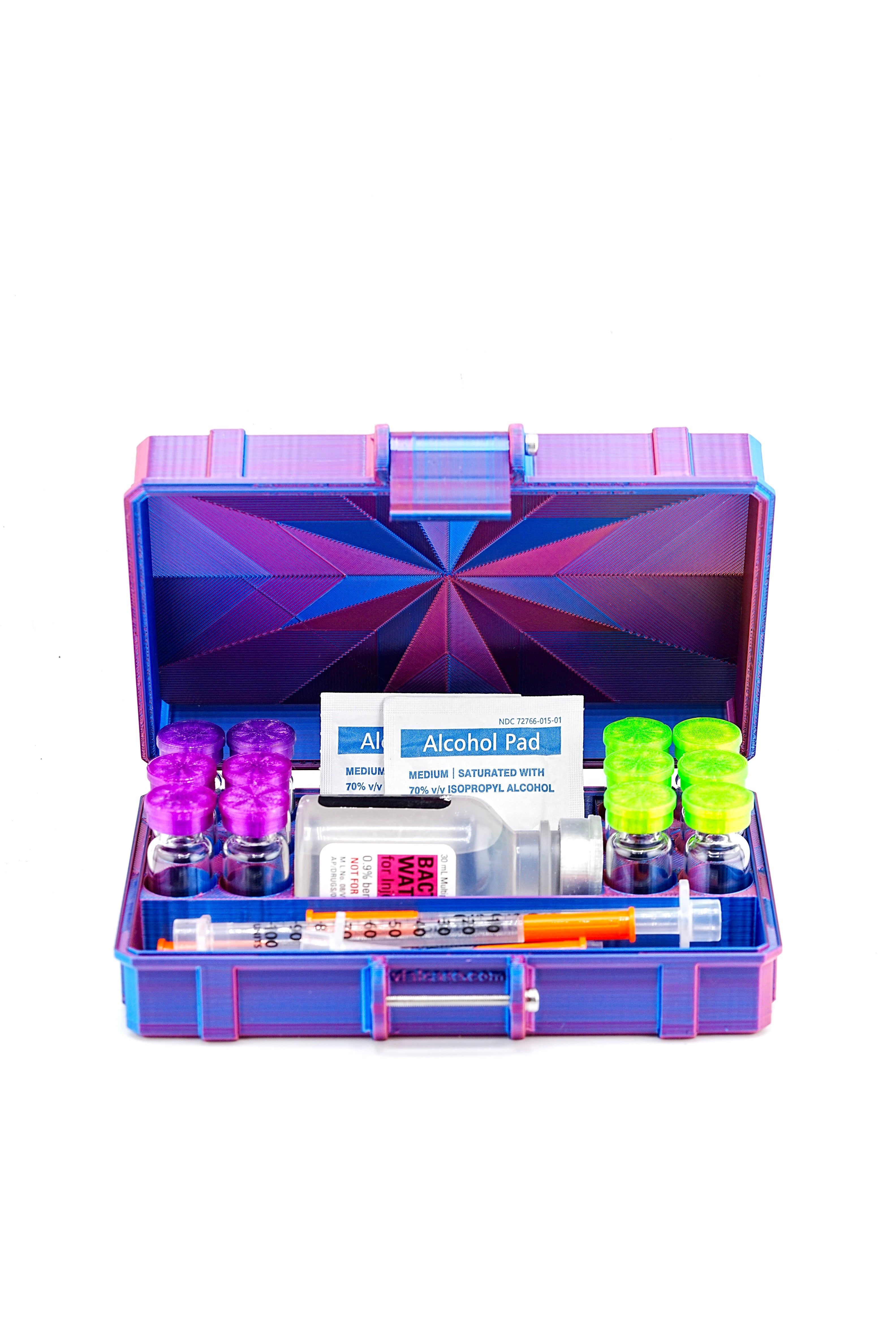
Vial Guard vs. Generic Vial Cases
The vial storage market is full of generic foam-padded boxes, soft fabric pouches, and repurposed cosmetic cases marketed as "peptide storage." Vial Guard is different. Every case in the line was designed specifically for the glass vials used in peptide, GLP-1, and TRT protocols — with the chemical fragility of those compounds as the design constraint, not aesthetics or cost reduction.
What Makes a Vial Guard Different
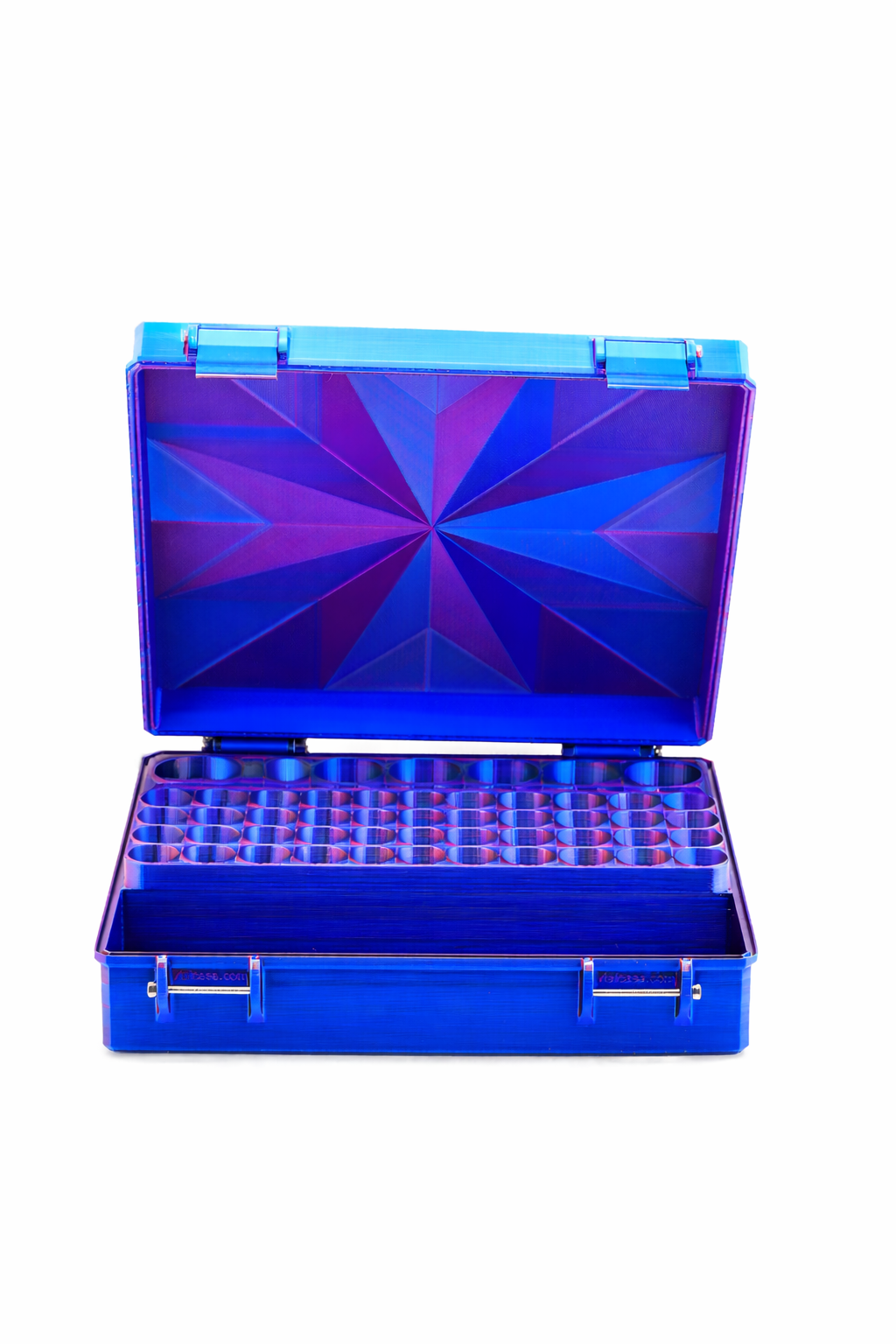
- Hard shell, not soft fabric — Glass vials break under pressure. A soft case provides cushioning but zero crush resistance. Vial Guard's rigid exterior stops the force before it reaches your vials.
- UV-opaque construction — BPC-157 degrades visibly under refrigerator light within 24 hours of reconstitution. Every Vial Guard case blocks 100% of ambient light — including the light that hits your vials every time you open the fridge.
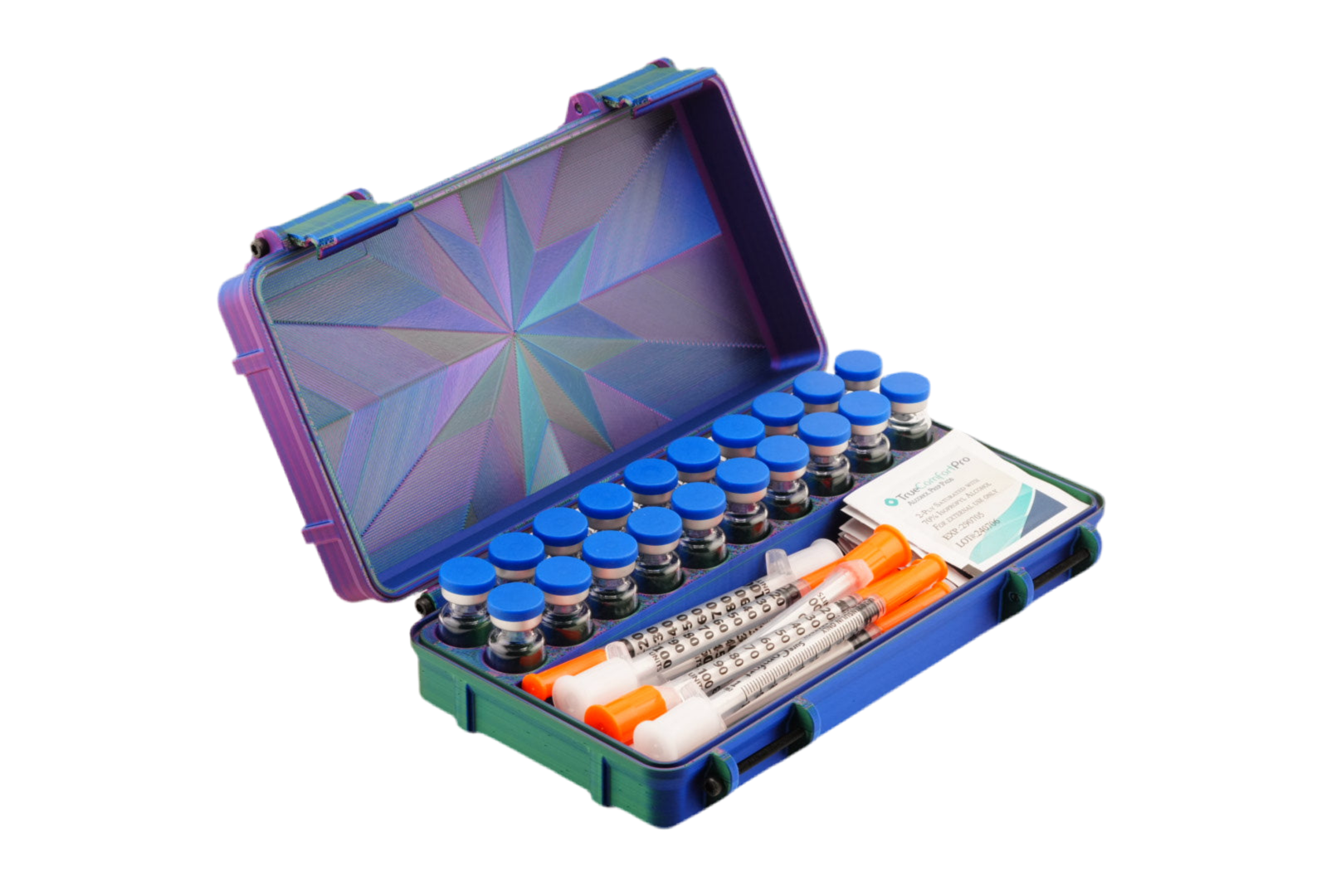
- Individual slots, not foam blocks — Foam padding lets vials roll and contact each other. Glass-on-glass contact chips septa and cracks vials. Individual precision slots keep every vial isolated and upright.
- Built for 3ml and 10ml vials specifically — Generic cases use one-size-fits-all foam that either grips too loosely or requires force to remove the vial. Vial Guard slots are machined to the exact dimensions of standard research and pharmaceutical vials.
Which Vial Guard Is Right for Your Protocol?
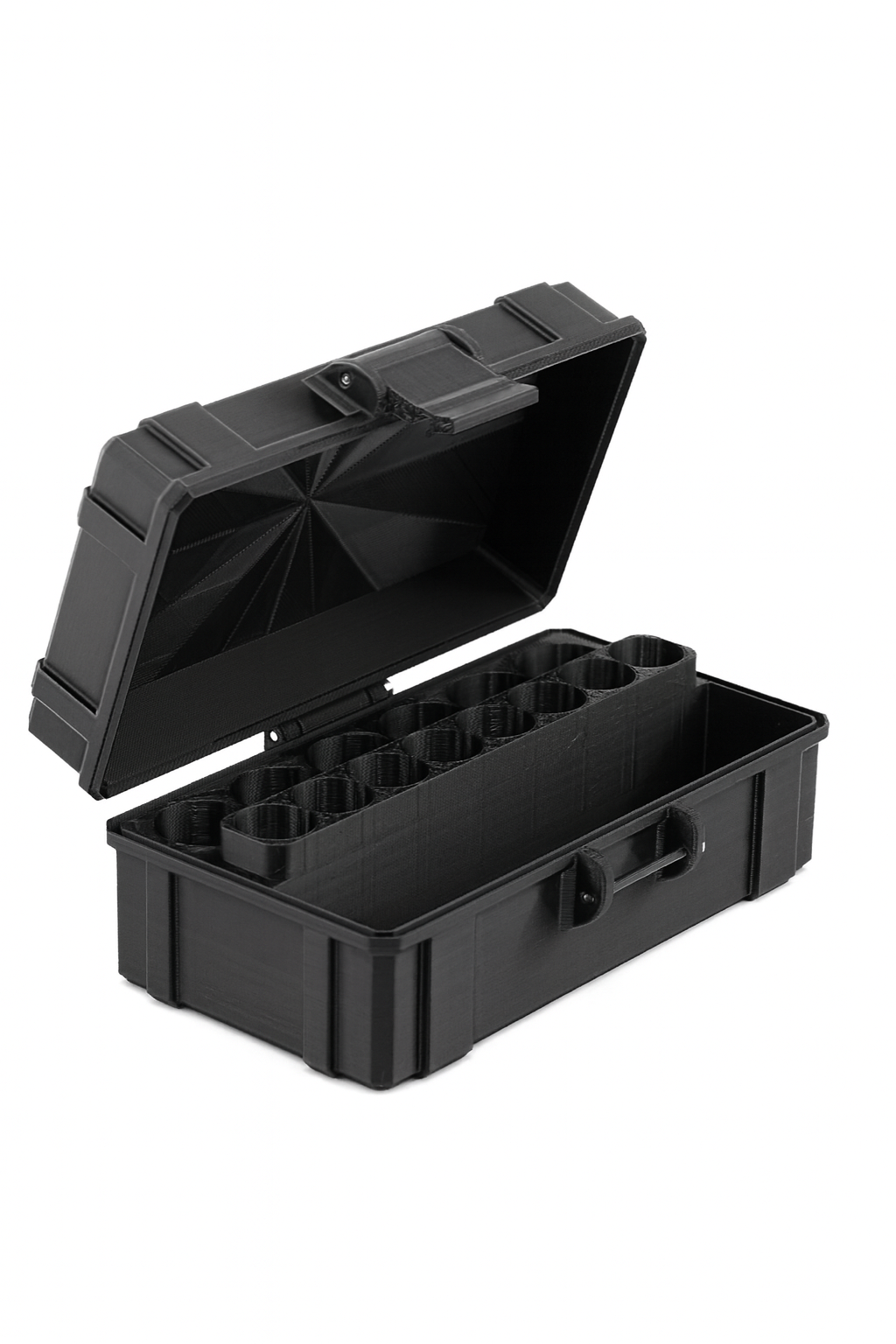
- Single GLP-1 or peptide compound — Vial Guard Starter (6 x 10ml + 8 x 3ml) handles most single-protocol setups with room for BAC water and syringes.
- Multi-compound stack (GLP-1 + peptides + TRT) — Vial Guard Pro 56 handles the full protocol: 12 slots for 10ml compounds and 44 slots for 3ml peptide vials, with integrated syringe storage.
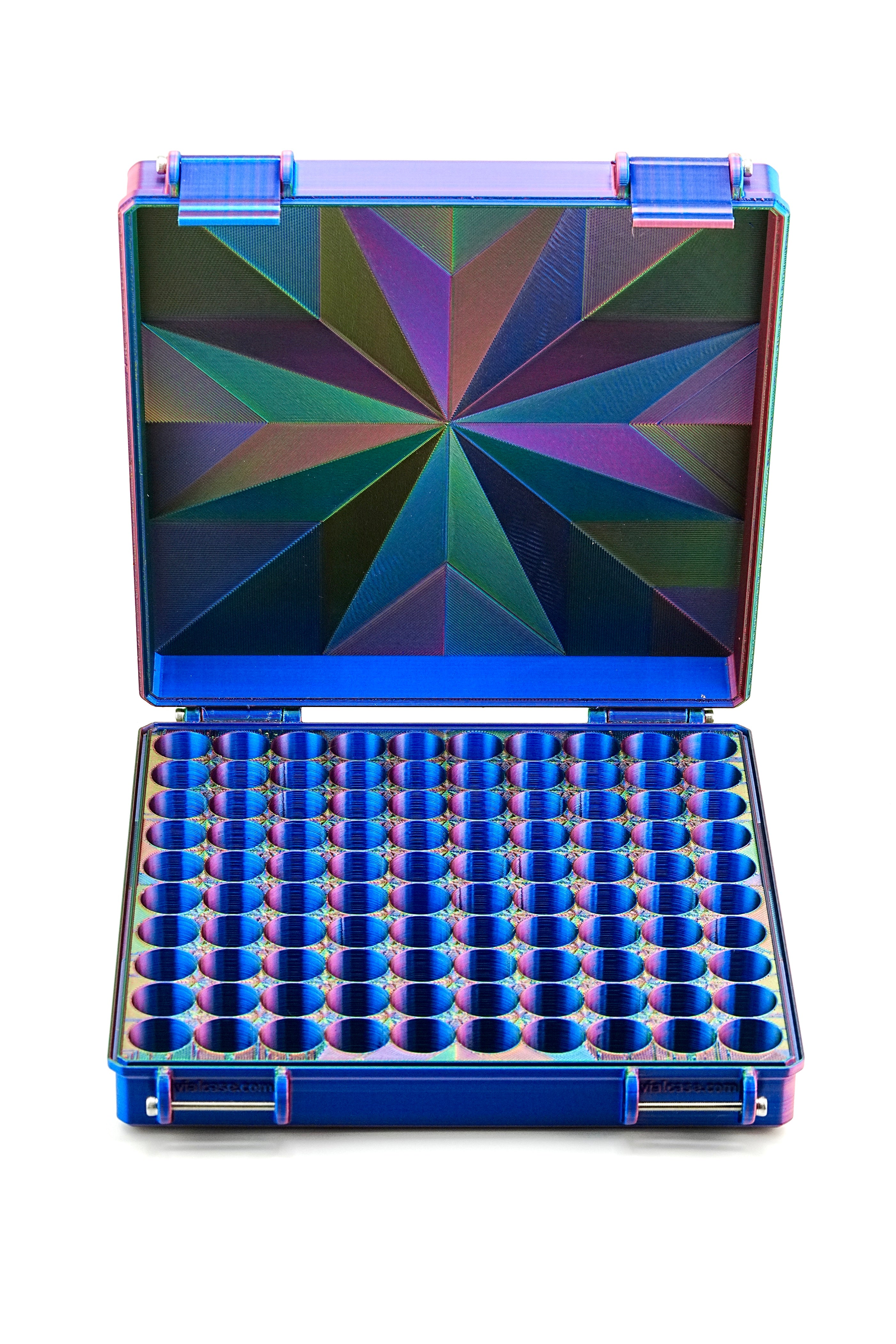
- Bulk freezer storage or clinic inventory — Vial Guard 100 stores up to 100 individual 3ml vials, ideal for large imports from Mexico or clinical dispensing.
Vial Guard for Travel
TSA allows injectable medications and their supplies in carry-on bags. A Vial Guard case keeps your vials organized, protected, and easy to identify at security — important when you have multiple vials and syringes. The hard-shell exterior survives the overhead bin, gym bags, and hotel stays. For international travel, a compact Vial Guard with your active protocol plus a cold pack is the standard setup for trips where fridge access is uncertain.
For detailed travel guidance, see our complete TSA guide for traveling with peptides and our peptide travel checklist.
Vial Guard for Fridge Storage
Most peptide users store their active compounds in the refrigerator at 2-8°C. The problem with loose fridge storage is the interior light — every time you open the door, your peptide vials are hit with direct light that accelerates photodegradation. A Vial Guard case in the fridge eliminates this: the opaque shell blocks all light, the individual slots prevent vials from tipping or rolling when you move items around, and the compact footprint fits on a standard shelf without taking over your refrigerator.
Read more in our guide to peptide cases for fridge storage.