Testosterone cypionate, enanthate, and propionate all come in 10ml multi-dose vials. Unlike single-use peptides, TRT vials get punctured dozens of times over their lifespan, making stopper integrity and contamination risk a real concern on top of standard storage considerations. Add the syringes, drawing needles, injection needles, alcohol swabs, and sharps disposal needs, and TRT storage is more complex than most compounds.
Here are all 10 storage approaches ranked from least to most effective for a complete TRT setup.
#10 — Worst: Random Drawer or Cabinet (No System)
The most common TRT “storage solution” for new users: a miscellaneous drawer. Vials rolling around near other items, pre-loaded syringes uncapped in a tray, alcohol swab packets scattered everywhere. The problems compound over time: misplaced supplies on injection day, vials exposed to light and temperature fluctuation in a bathroom cabinet (the worst possible location due to steam and heat cycles), and zero visibility into what you’re running low on. Anyone on TRT for longer than 30 days should have graduated past this.
#9 — Zip-Up Toiletry Bag
A step up in organization, but soft-sided fabric bags offer no protection for glass vials and no compartmentalization for needles vs. swabs vs. vials. Most toiletry bags are light-colored or transparent enough to offer minimal light blocking. The bigger issue: fabric bags pick up moisture in bathroom environments, which affects labels, packaging, and eventually the rubber stopper if moisture accumulates at the contact point.
#8 — Plastic Shoebox or Storage Bin
A dedicated bin for TRT supplies is at least a system. Everything in one place, easy to find on injection day. The failure modes: no individual compartments mean things shift and rattle, no lid security means it can be knocked over, and clear plastic bins offer no light blocking for the vials inside. Fine as a starter system; outgrown quickly by anyone who’s serious about protocol consistency.
#7 — First Aid Kit Repurposed for TRT
Red or white hard-shell first aid kits have latching lids, multiple internal trays, and a compact footprint. The compartments are sized for bandages and gauze, not 10ml testosterone vials, so you end up with awkward packing arrangements. The main advantage is the latching lid, which prevents accidental opening. If you already own one, it’s a functional interim solution — just not designed for the job.
#6 — Lockable Steel Medication Box
For households with children or roommates, a lockable steel box solves the security problem that no soft case addresses. The tradeoffs: steel boxes are heavy, often lack internal organization beyond a single tray, and are sized for pill bottles rather than injection kits. If household security is your primary concern, this ranks higher than its #6 position. If you live alone and security isn’t the priority, the lack of organization brings it down.
Pro Tip: Mark each testosterone vial with a small piece of tape tracking: open date, number of draws taken, and estimated remaining volume. A 10ml vial at 200mg/mL provides 50 draws at 0.2mL. Tracking this prevents the "I thought I had enough" injection-day scramble.
#5 — Soft Insulin / Diabetic Supply Case
Designed for insulin vials, syringes, and lancets, these cases are closer to the TRT use case than most on this list. They have dedicated syringe pockets, vial slots, and a compact footprint. The main limitation is sizing: insulin vials are 10ml but narrower diameter than testosterone vials. Many diabetic supply cases won’t comfortably fit a testosterone vial without force, and the syringe pockets are sized for insulin syringes (smaller gauge than most TRT injection syringes).
#4 — Clear Hard-Shell Travel Case with Compartments
Hard-sided, compartmentalized, and travel-ready. The clear construction is the main drawback for long-term home storage — testosterone vials are oil-based and more light-stable than aqueous peptide solutions, but light exposure still degrades the compound over months of repeated exposure. Clear cases are acceptable for travel where you’re pulling the kit out briefly; not ideal for a permanent fridge setup.
#3 — Medical-Grade Injection Kit Case (Opaque)
Hard-shell, opaque, specifically marketed for injection protocols. Better organized than a generic hard case, with individual syringe slots and a dedicated vial pocket. The TRT-specific limitation is usually capacity: these cases are designed for single-compound protocols, not someone running TRT alongside peptides like BPC-157 or a GLP-1. If TRT is your only compound, this is a solid option.
#2 — Custom Foam-Fitted Pelican-Style Case
Cut your own foam to fit your exact vials, syringes, and accessories, and you have a near-perfect storage solution. The case handles drops, the foam eliminates vial movement, and an opaque shell handles light. The gaps: foam cutting is tedious to get right, and you lose flexibility when switching between ester types or vial sizes. A properly executed DIY foam case is excellent; the execution is what most people get wrong.
#1 — Best: VialCase Dedicated Vial Storage Case
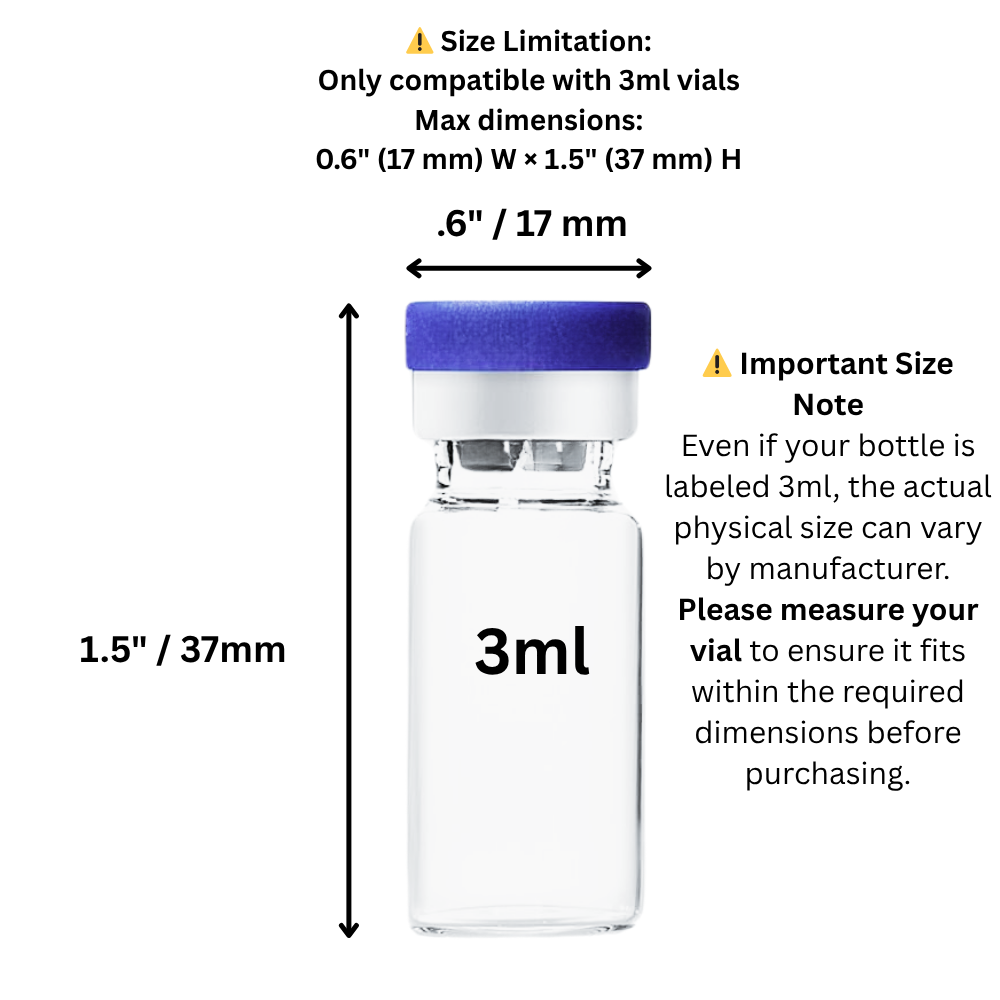
Engineered for 10ml vials — the exact size of testosterone cypionate, enanthate, and propionate multi-dose vials. Precision foam slots keep each vial fully immobilized. Dedicated syringe compartments mean your drawing needles, injection needles, and capped syringes have designated homes instead of floating loose. The fully opaque hard shell works whether you store TRT in the fridge or in a controlled room-temperature environment.
For a lifetime protocol, a one-time investment in proper storage pays back in compound integrity, protocol consistency, and the time saved not hunting for supplies on injection day. Shop TRT-ready cases at VialCase →
Pro Tip: Testosterone in oil solution is more stable than aqueous peptides at room temperature, but most compounding pharmacies recommend refrigeration for multi-dose vials to extend shelf life and maintain sterility. If you store TRT at room temp, keep it away from direct light and heat sources — the oil vehicle degrades under UV exposure even if the testosterone itself is more stable.
Does Testosterone Need to Be Refrigerated?
Testosterone esters in oil solution are more temperature-stable than aqueous peptide compounds. Most testosterone formulations are stable at controlled room temperature (15–25°C, away from light and heat) for their labeled shelf life. That said, once a multi-dose vial has been punctured, refrigeration extends usable life by slowing any slow bacterial growth that could occur through repeated needle insertions. For multi-month supply vials, refrigeration is the conservative and recommended approach.
Frequently Asked Questions
Can I store my testosterone vial and peptides in the same case?
Yes, and this is actually the ideal setup for anyone running a combined TRT + peptide protocol. A case with multiple vial slots lets you keep testosterone and peptides (BPC-157, TB-500, GLP-1 compounds, etc.) together in one organized kit. Just label each vial clearly and track reconstitution dates on aqueous peptides separately from your testosterone vial open date.
How long does an open testosterone vial last?
Most compounding pharmacies specify 28–30 days for opened multi-dose vials refrigerated at 2–8°C, following USP guidelines for multi-dose sterile preparations. Commercially manufactured testosterone vials typically have longer labeled in-use periods as specified on the vial. Always follow the labeled expiration or your prescriber’s guidance for prescription TRT.
What about sharps disposal for TRT?
Keep a small FDA-cleared sharps container in or near your TRT kit. Never cap used needles by hand, and never dispose of used needles in household trash. Sharps containers are inexpensive and can typically be dropped off at pharmacies or local health departments for safe disposal.