How Peptides Create Jawline Definition
A sharp jawline isn't just about bone structure — it's about the contrast between bone and soft tissue. Peptides can improve jawline definition through three distinct mechanisms:
- Fat removal: Stripping buccal and submental fat to reveal the mandible underneath (GLP-1 peptides)
- Skin tightening: Improving skin elasticity so it drapes tightly over bone structure (collagen/HGH peptides)
- Visual contrast: Darkening skin to create shadow and highlight that makes angles pop (melanocortin peptides)
The best results come from combining all three mechanisms. That's why the looksmaxing community stacks multiple peptides rather than relying on a single compound.
Tier List: Peptides Ranked for Jawline
S-Tier: Direct Jawline Impact
- Retatrutide — The single most effective peptide for jawline definition. Triple-agonist GLP-1 strips facial fat faster than any other compound. Buccal fat reduction reveals cheekbones; submental fat loss sharpens the jaw-to-neck angle. Most looksmaxers see dramatic face gains by week 6-8. Reconstituted shelf life: 4-6 weeks.
- MT2 (Melanotan 2) — Doesn't change your jawline structure, but makes it look dramatically sharper through tanning contrast. A deeper skin tone creates natural shadows along the mandible and under cheekbones. The visual impact is immediate and one of the highest-ROI aesthetic changes you can make.
A-Tier: Strong Supporting Role
- CJC-1295 + Ipamorelin — Growth hormone secretagogues improve skin thickness, elasticity, and collagen density. HGH tightens skin over bone structure, reducing soft-tissue sag that blurs jawline angles. Also supports muscle retention during a cut — masseter muscle maintenance contributes to jaw width. Takes 8-12 weeks for visible facial effects.
- GHK-Cu — Copper peptide increases skin density and collagen production. Thicker, firmer skin wraps tighter around bone structure. Particularly effective for the under-jaw area where thin, loose skin can soften the jawline. Also improves overall skin quality that makes the entire face look healthier.
B-Tier: Indirect Benefits
- BPC-157 — Primarily a healing peptide, but its gut-healing properties help with bloating reduction. Chronic gut inflammation causes facial puffiness that obscures jaw definition. BPC-157 reduces water retention and bloat, indirectly revealing more facial structure. Also useful post-procedure (after jaw surgery, filler, etc.).
- Tesamorelin — GH-releasing hormone analog that specifically targets visceral fat. Less facial fat reduction than Retatrutide, but some looksmaxers prefer it for targeted midsection fat loss while preserving facial fullness. Better for those who are already lean and don't want the gaunt look.
Overhyped for Jawline
- TB-500 — Great for tissue repair, but no direct mechanism for jawline definition. Sometimes stacked for recovery after jaw-related procedures, but doesn't contribute to facial aesthetics on its own.
- Epithalon — Anti-aging telomere peptide. Long-term cellular benefits, but no visible jawline impact within a typical looksmaxing cycle.
The Jawline Stack: If jaw definition is your #1 goal, the looksmaxing consensus is: Retatrutide (fat removal) + MT2 (contrast) + CJC/Ipa (skin tightening). That's 3-4 active vials minimum. Add GHK-Cu for skin quality and you're at 4-5. All need cold, dark storage — and all degrade differently.
The Mewing + Peptides Debate
The looksmaxing community is split on whether mewing (tongue posture for jawline development) stacks with peptides. Here's the practical reality:
- Mewing works on bone remodeling — a process that takes months to years and primarily affects younger individuals whose facial bones haven't fully fused
- Peptides work on soft tissue — fat, skin, collagen, melanin. These change within weeks
- They're not competing mechanisms. You can mew while running peptides. But don't expect peptides to replace bone-level changes, and don't expect mewing to replace fat loss
The fastest path to a sharper jawline is losing facial fat (Retatrutide) while improving the skin that covers it (GHK-Cu, CJC/Ipa) and amplifying the contrast (MT2). Mewing is the long game; peptides are the short game.
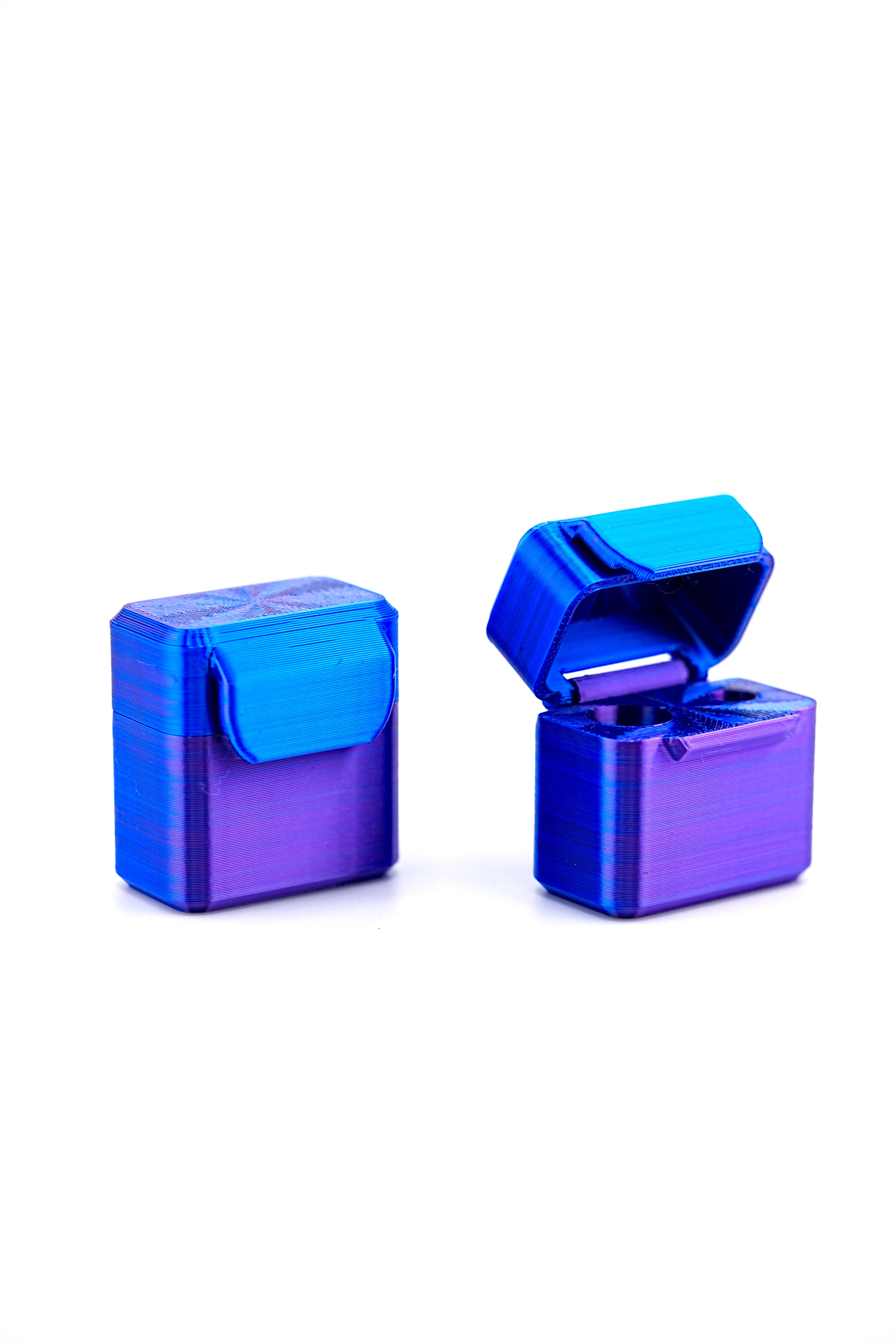
Why Multi-Peptide Jawline Stacks Need Proper Storage
The jawline stack creates a storage challenge that most beginners don't anticipate:
- Different degradation profiles: MT2 is extremely photosensitive. GHK-Cu oxidizes via its copper ion. Retatrutide aggregates with temperature cycling. One storage solution needs to protect against all three failure modes
- Different dosing schedules: Retatrutide is weekly, CJC/Ipa is 2-3x daily, MT2 maintenance is weekly. This means constant fridge access, which means constant light exposure
- Different shelf lives: GHK-Cu is shortest (3-4 weeks reconstituted), Retatrutide is longest (4-6 weeks). You need to track expiration across multiple vials
Jawline Results Timeline
- Week 1-2: MT2 tanning begins. Appetite suppression from Retatrutide starts. No visible jaw changes yet
- Week 3-4: Tan is established, creating immediate visual jawline enhancement. First signs of facial fat loss from Retatrutide
- Week 6-8: Significant face gains. Jawline visibly sharper. GHK-Cu skin improvements becoming noticeable. People start asking what you changed
- Week 10-16: Peak jawline definition. Buccal fat dramatically reduced. Skin is tighter, firmer, and more evenly toned. Before/after photos show the most dramatic difference
Bottom Line: A sharp jawline comes from three things: less fat, tighter skin, and more contrast. Peptides address all three — but you need multiple compounds working together, which means multiple vials that all need to stay potent. One degraded vial in your stack weakens the whole protocol. Store them right, and the jaw gains follow.

"Went from 2 vials to a full stack of 5. The case was the only way to keep everything straight without mixing up compounds."
— Ryan S., Verified Buyer
Shop PeptideCase →Disclaimer: This content is for informational and educational purposes only. It is not medical advice and does not constitute a doctor-patient relationship. Peptides discussed are research compounds — consult a licensed healthcare provider before use. PeptideCase sells storage products only and does not sell, manufacture, or distribute peptides or pharmaceuticals.